Logic that
connects the whole product.
We connect business rules, permissions and integrations in one coherent system.
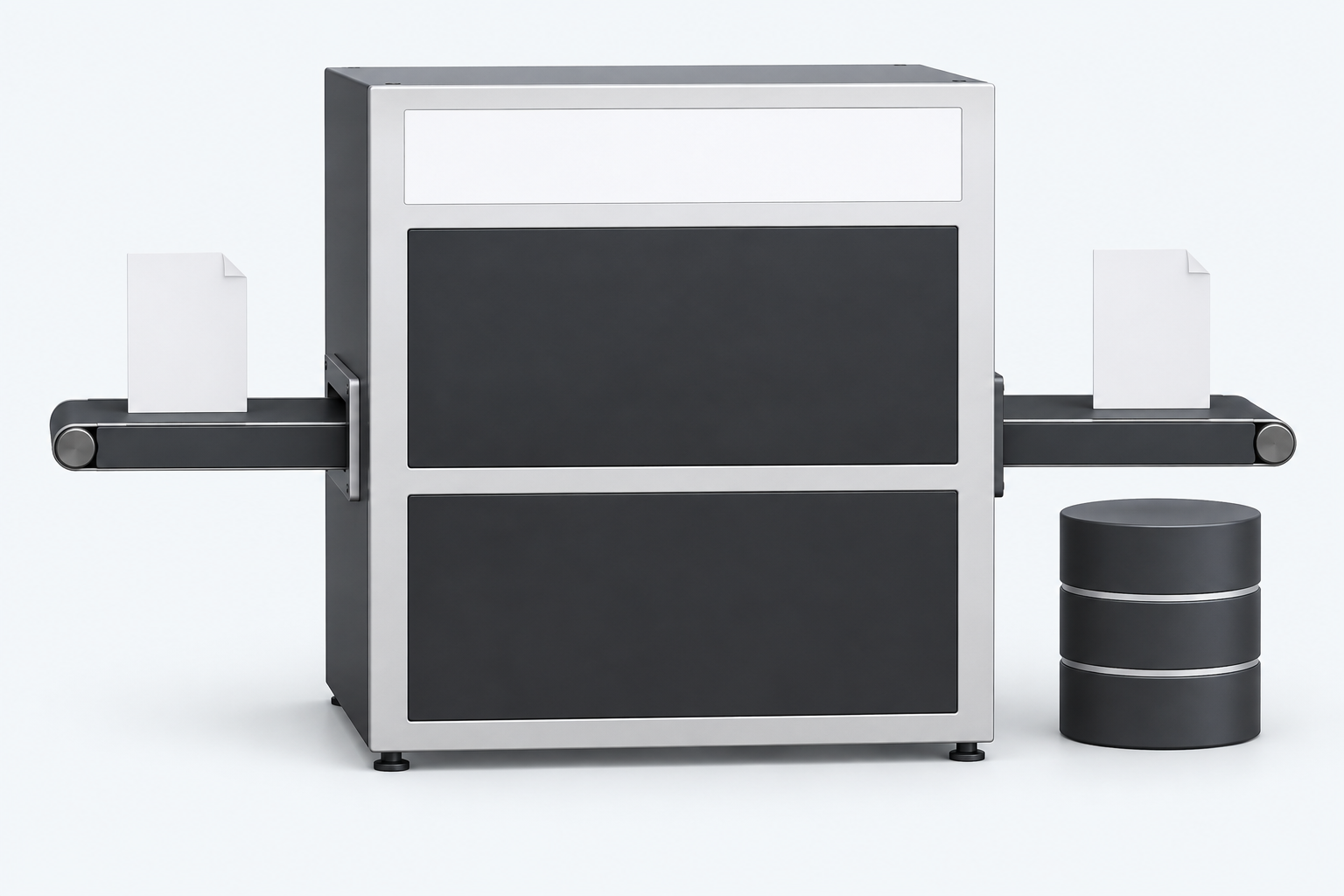
- Order #1024Request from the user
- Business rulesData validation + permissions
- Approved writeResult in the database
Rules first,
then code.
A good backend starts with understanding your business processes. First we model business rules, permissions and integrations, then we select the technology and write the code to implement them.
We understand processes and requirements
We design logic and permissions
We select the technologies
We build and develop the backend
Languages and frameworks
We select technologies to suit your product, team and development plans.
Data layer
Data storage and management in proven databases.
One process from input to result
Example order flow in a backend system.
1. The customer places an order
Order
#1024Request from the application
2. The system processes it
- Data validation
- Permission checks
- Applying business rules
3. The data reaches the database
Order
approvedStore in PostgreSQL or MongoDB
Example solution
An API communication excerpt and an example permissions table.
Request / response (JSON)
POST /api/orders
{ "productId": 123, "quantity": 2, "note": "Urgent fulfilment" }

// 201 Created
{
  "orderId": 1024,
  "status": "confirmed"
}| Role | Creation | Approval | Delete |
|---|---|---|---|
| Controller | This is how | This is how | This is how |
| Provider | This is how | This is how | — |
| Employee | This is how | — | — |
| Guest | — | — | — |
We define roles and access scope for your system.
Simple logic.
Big possibilities.
Educational example, not a live endpoint or a configuration of the Balance IT dashboard.
Use cases
Order flow
From validation to database storage and notifications to other systems.
Dashboard with permissions
Roles, permissions and access to application data and features.
Systems integration
Connections to payments, ERP and the tools used by your team.
Technology decisions
Product API
A clear API tailored to its users: web applications, mobile applications and integrations.
Background processes and tasks
Queues, asynchronous tasks and scheduled processes.
Connecting to an existing system
Integration with the current environment, taking its limitations into account.
Security in the architecture
Access control
Authentication, authorisation and server-side permission checks.
Data protection
Restricted access, encrypted communications and secure storage.
Audit and logs
Recording important operations, diagnostics and responses to problems.
How we deliver a backend
A clear process. A defined scope at every stage.
- 1
Analysis and design
We gather requirements. We design the architecture and API.
- 2
Implementation
We write code, integrate systems and configure environments.
- 3
Testing and deployment
We check rules, errors and permissions before launch.
- 4
Development and support
We agree on monitoring, maintenance and subsequent stages.
Frequently asked questions.
How do you choose backend technologies for my project?
We start with the product's processes, data, integrations and requirements. We consider the existing system, team skills and maintenance. We do not assume one technology fits every project.
Can you integrate with our existing system?
First we check APIs, data access, limitations and providers' responsibilities. We then define the integration scope, error handling and how to verify the complete flow.
How do you design a system with complex permissions?
We define roles, resources and permitted operations. Checks run on the server, not just in the interface. We also test access denial and revocation of previously granted permissions.